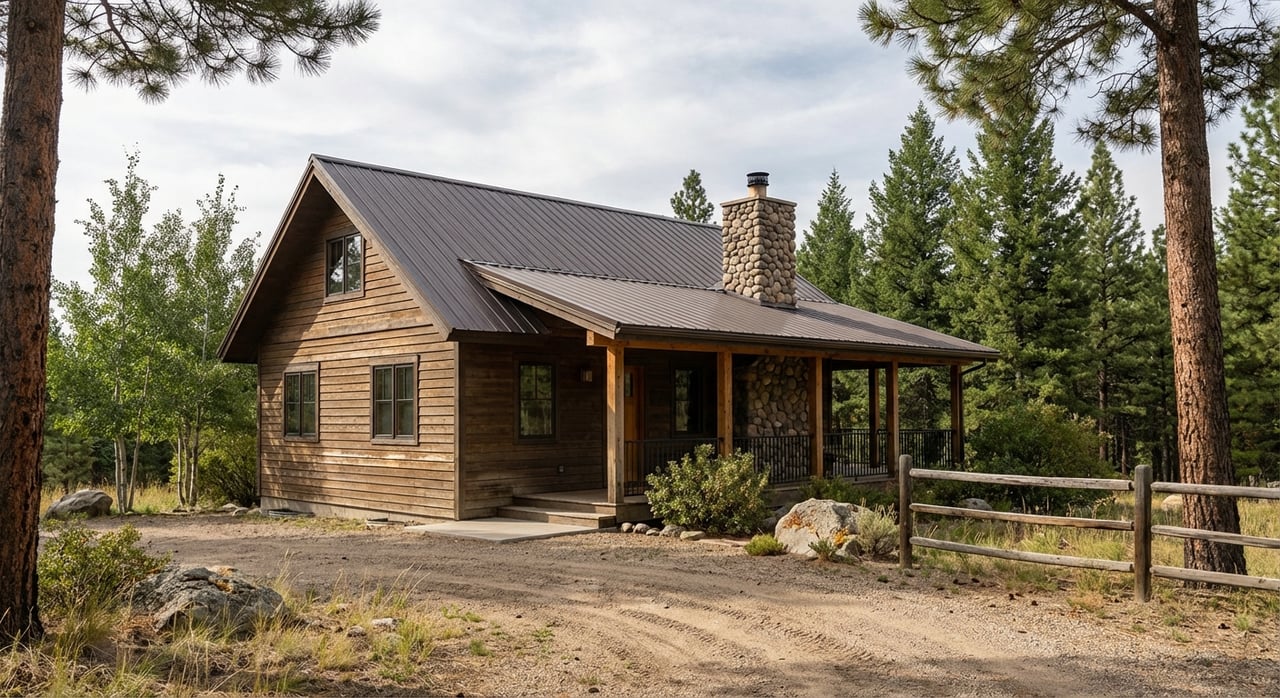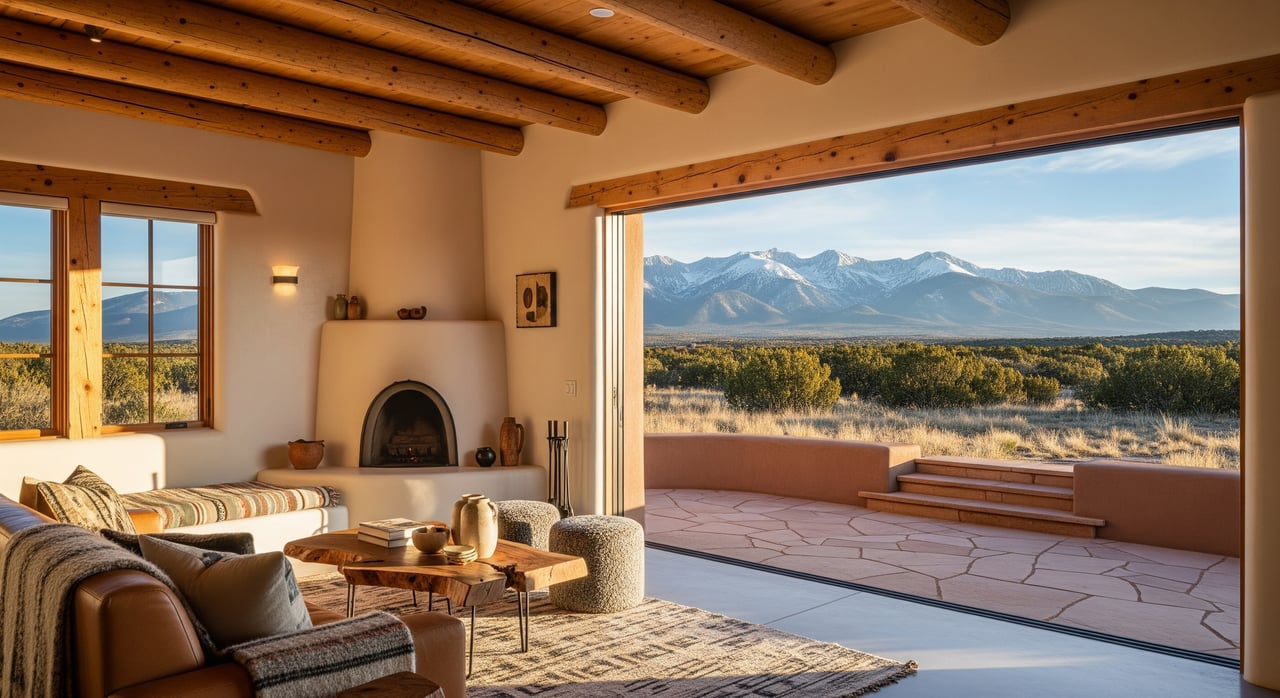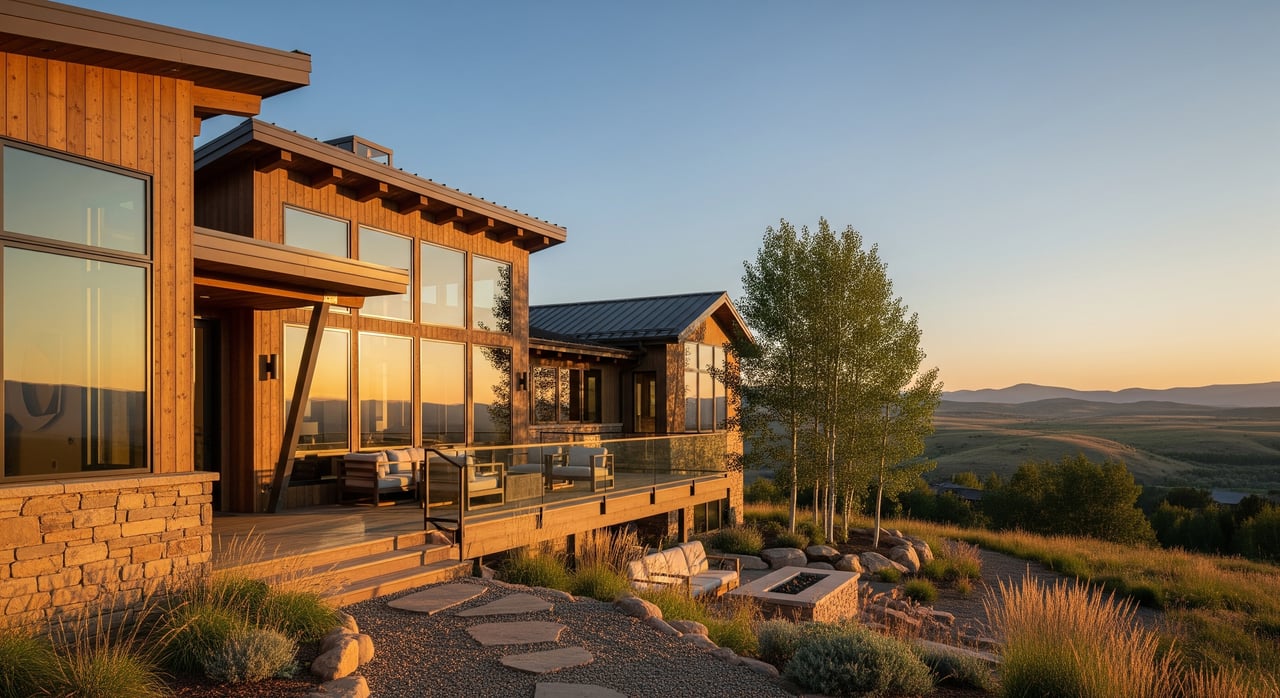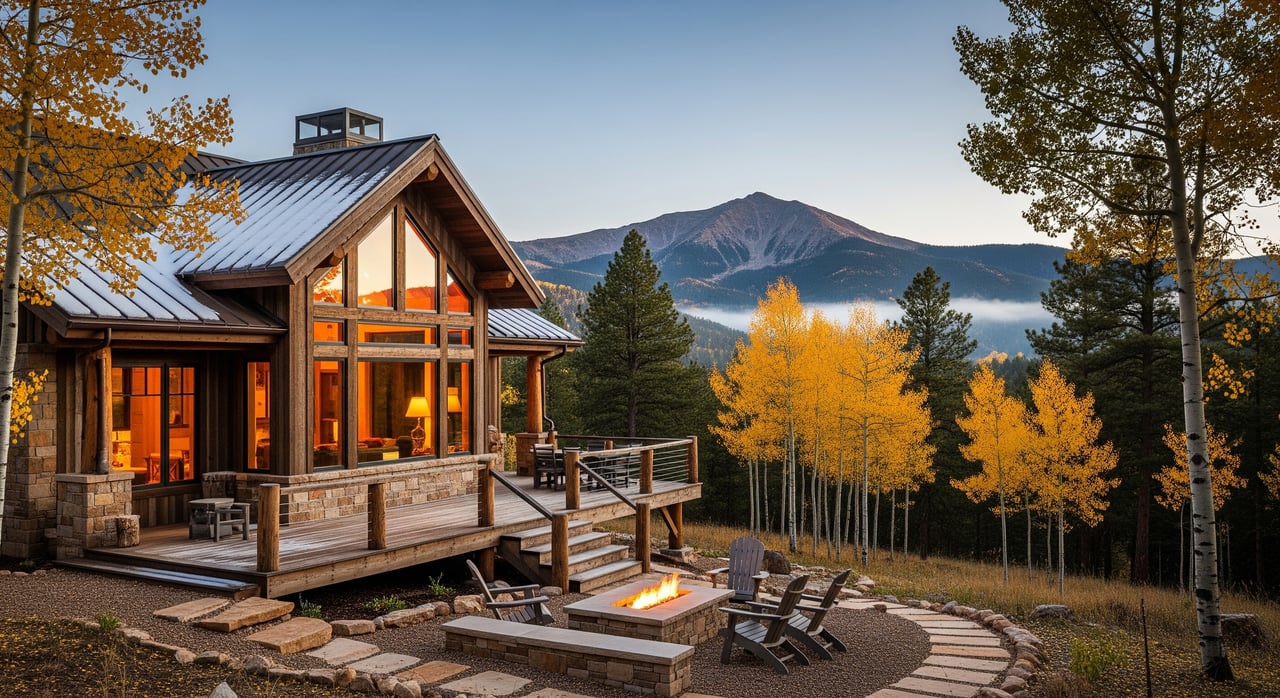
Thinking about a cabin in Ruidoso but not sure what daily life really feels like through the year? You’re smart to dig in before you buy. Mountain living at roughly the high‑6,000‑foot elevation has its own rhythm, from snowy driveways in January to summer monsoon afternoons in July. In this guide, you’ll learn what to expect in each season, how access and utilities work, what to plan for with maintenance and wildfire safety, and the key checks to make before you close. Let’s dive in.
Ruidoso seasons at a glance
Spring: Thaw, mud, and prep work
Spring in Ruidoso is a true transition season. You can have sunny afternoons, then a late freeze or snow at higher elevations in March or April. Roads and trails may be muddy during snowmelt, and pollen can spike for a few weeks.
Use this window to catch up on maintenance. Check gutters and roofs, service your heating system, and schedule a septic inspection if needed. Clear brush and limbs while the ground is still moist so you’re ahead of fire season.
Summer: Mild days, cool nights, monsoon storms
Summer days are warm but more comfortable than lower‑elevation deserts, and evenings are usually cool. Mid to late summer brings monsoon thunderstorms that can drop heavy, localized rain with lightning. For daily forecasts and storm updates, rely on the National Weather Service Albuquerque office.
Tourism peaks as visitors come for hiking, fishing, and biking. Keep drainage paths and culverts clear, maintain defensible space, and follow any seasonal burn restrictions. If you plan to host guests or rent, line up parking and check‑in logistics early.
Fall: Project season and crisp weather
Fall often delivers stable weather with crisp days and chilly nights. It’s prime time for exterior projects like roofing, staining, and painting before winter. Visitor numbers can rise during hunting season and fall color weekends, so lodging and short‑term rentals may book up.
Finish heating system maintenance, sweep chimneys for wood or pellet stoves, and identify any dead trees that should be removed before winter.
Winter: Snow, slower travel, and heat planning
Expect regular snowfall and cold nights. Accumulations can be enough to require 4WD or chains on steep roads. Plan for slower travel during storms and be ready for brief power outages.
Set your winter routine early: keep propane deliveries scheduled, maintain clear parking and driveway access, and arrange snow removal. Ski season brings a lively pace around town, driven by alpine traffic to Ski Apache’s seasonal operations.
Daily climate realities
- Big day‑night temperature swings. Layer clothing and fine‑tune HVAC settings to match.
- Monsoon downpours can trigger flash flooding in canyons and arroyos. Avoid siting improvements in drainage ways and keep runoff paths open.
- Snow and ice demand vehicle prep, a driveway plan, and attention to roof snow load.
Getting there and around
Road access and winter driving
Ruidoso connects to regional hubs by highway, then transitions to mountain roads. Many cabins inside the village sit on paved streets, while rural properties may be on narrow, steep, or unpaved roads. In winter, 4WD or AWD with snow tires, plus chains for steeper areas, is a smart baseline. Check who handles snow removal on private roads or long driveways.
For statewide road advisories and seasonal travel conditions, use the New Mexico Department of Transportation resources before you drive.
Forest roads and seasonal closures
Some subdivisions and rural tracts intersect with National Forest lands. After major storms or during wildfire mitigation work, certain forest roads can close temporarily. Stay current with the U.S. Forest Service Lincoln National Forest for access updates and permit guidance.
Longer‑distance travel
Most second‑home owners fly into larger regional airports and drive a few hours to Ruidoso. Travel times can stretch during winter storms or holiday weekends. If you expect frequent trips, test the route in different seasons and adjust your travel buffer.
Utilities, services, and community rhythms
Water, septic, power, and heat
Inside the village, many homes have municipal water. Rural cabins often rely on private wells or community water systems. Confirm permit status and recent well tests during due diligence with the New Mexico Office of the State Engineer records.
Septic systems are common across the county. Verify permits, tank age, last pump date, and the drainfield location. Electricity is provided by local utilities or cooperatives in rural areas. Weather can cause occasional outages, so many cabin owners keep a backup generator or battery system.
Heat sources vary. Propane furnaces, wood or pellet stoves, and electric heat are typical. Think through delivery access for propane and maintain safe clearances for stoves and chimneys.
Communications and internet
Cell service can be spotty in the forest and in certain valleys. Fixed wireless or satellite internet may be your best option at some addresses. Test service on‑site and confirm providers before you buy.
Groceries, health care, and emergency response
Ruidoso offers grocery, hardware, and supply options in town. In winter, stock up ahead of storms. Local clinics and urgent care are in the area, while major hospital services often require a drive to regional centers. Remote cabins may see longer response times; post clear directions and keep emergency supplies on hand.
Tourism cycle and local pace
Ruidoso’s economy has a seasonal rhythm tied to summer visitors, fall events, and winter skiing. That means busier restaurants, retail, and roads during peak times, along with stronger short‑term rental demand. Plan maintenance and supply runs around high‑traffic weekends when possible.
Rules, permits, and burn restrictions
Permits for building and septic depend on whether your property is inside the village or in unincorporated Lincoln County. County burn bans and open‑fire restrictions change seasonally, so check public notices with Lincoln County and wildfire updates through the New Mexico State Forestry Division.
Maintenance, hazards, and cost planning
Wildfire risk and defensible space
Forest living means year‑round awareness of wildfire. Peak risk typically comes during dry spells in spring and again in late summer or fall. Reduce exposure by maintaining defensible space in zones around your cabin, removing ladder fuels, and pruning dead limbs. Use ember‑resistant details like screened vents and enclosed eaves where possible. For site‑specific guidance and programs, check the Lincoln National Forest and the New Mexico State Forestry Division.
Insurance carriers often look for hardening measures and maintained clearances. Get quotes early and be ready to document your mitigation steps.
Storms, runoff, and flood awareness
Monsoon downpours can concentrate runoff in steep terrain. If your lot sits near a creek, arroyo, or draw, evaluate drainage and grade to move water away from structures. Review your location on the FEMA Flood Map Service Center and keep culverts and ditches open, especially after heavy rain.
Snow, ice, and freeze protection
Freeze‑thaw cycles can stress roofs, siding, and pipes. Insulate and heat‑tape exposed plumbing, and confirm your roof is suited for local snow loads. Schedule chimney inspections before winter if you burn wood or pellets. Arrange snow removal and keep a safe walking path for you and your guests.
Pests and forest health
Bark beetles and other pests can weaken trees in parts of New Mexico. Inspect for dead or leaning trees near structures and factor removal into your budget. Seal gaps to keep rodents or insects out and put regular pest prevention on your annual list.
Annual maintenance cadence
- Spring: roof and gutter check, heating service, septic inspection, tree and brush clearing.
- Summer: drainage and erosion control, exterior paint or stain, defensible‑space projects.
- Fall: chimney sweep, heating tune‑ups, finalize firewood, winterize plumbing if the home will sit vacant.
- Winter: snow removal, monitor ice dams, and check roof load after heavy storms.
Operating costs to expect
Budget for routine items like property taxes, insurance, and utilities, plus seasonal costs such as propane or wood deliveries, snow removal, and periodic septic pumping. Keep a reserve for storm‑related roof repairs, tree work, or private road grading.
Buyer checklist: what to verify
- Water source details: well log, pump age and service records, and recent water quality tests if on a well.
- Septic documentation: permit, last pump date, tank and drainfield location, and current inspection.
- Heating systems: type, age, service records, and chimney or vent inspections.
- Roof and snow readiness: condition, ventilation, and any ice dam prevention features.
- Access and maintenance: snow‑plow arrangements, HOA or private road agreements, gate keys, and parking/turnaround for guests or emergency vehicles.
- Vegetation health: note dead or diseased trees near structures and any recent mitigation work.
- Utilities and communications: actual on‑site cell coverage, internet provider options, and any backup power system.
- Insurance: availability and any wildfire mitigation requirements in writing from your insurer.
Is cabin living here a fit for you?
If you love fresh mountain air, four true seasons, and easy access to trails and winter sports, Ruidoso offers a rewarding lifestyle. You trade a bit of convenience for quiet, views, and cooler summers. With a plan for winter access, storm prep, and regular upkeep, cabin living can be low stress and high reward.
Navigating water, septic, access, and seasonal patterns is easier with local guidance. A trusted advisor can help you evaluate micro‑locations, confirm permits, and line up the right inspectors and contractors.
Ready to take the next step?
Whether you are weighing neighborhoods, comparing well and septic setups, or prepping to list your current place, you do not have to figure it out alone. If you want a clear plan tailored to your goals and timeline, reach out to Keli L Cox for local, hands‑on guidance.
FAQs
What is year‑round cabin life in Ruidoso like?
- Expect four distinct seasons with mild summer days, crisp fall weather, snowy winter periods, and a spring thaw that brings mud and quick maintenance windows.
Do I need 4WD to access a Ruidoso cabin in winter?
- It is strongly recommended for steep or secondary roads, along with snow tires and chains during storms, and a plan for driveway snow removal.
How do monsoon storms affect cabins in Ruidoso?
- Mid to late summer thunderstorms can bring heavy, localized rain and lightning, so keep drainage clear, avoid building in arroyos, and follow National Weather Service alerts.
What should I know about wildfire risk near Ruidoso?
- Maintain defensible space, use ember‑resistant building details, follow seasonal restrictions, and check the Lincoln National Forest and State Forestry for guidance and updates.
How do I verify wells, water rights, and septic systems before I buy?
- Review well permits and tests with the New Mexico Office of the State Engineer, confirm septic permits and inspections through local authorities, and document system locations and service history.